
When I first heard about dropshipping, it sounded almost too good to be true. Sell products online without keeping inventory, without packing boxes, and without shipping orders yourself. If you are a beginner, you might be wondering the same thing right now. Is dropshipping really that simple, and does it still work?
In this guide, I will explain what dropshipping is in very simple terms, how it works, why people choose it, and whether it is a good option for beginners in the United States. I will walk you through everything step by step so you can understand how dropshipping actually works in the real world.
What Is Dropshipping?
Let me explain dropshipping in the easiest way possible.
Dropshipping is an online business model where you sell products to customers without keeping those products in stock. Instead of buying inventory upfront, you partner with a supplier who ships the product directly to your customer after you make a sale.
This means:
- You do not store products
- You do not handle packaging
- You do not manage shipping
Your main job is to market the products, manage the online store, and support customers.
“Dropshipping removes inventory risk, but it does not remove the need for real business effort.”
How Does Dropshipping Work?
Understanding the process makes everything clear.
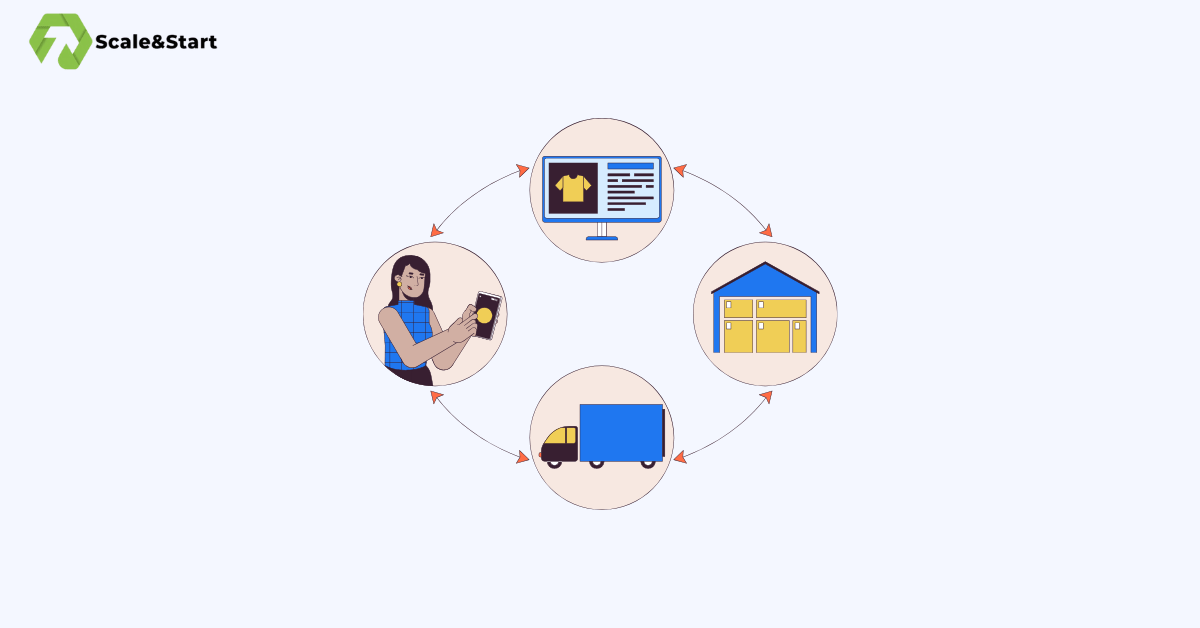
Here is how a typical dropshipping order works:
- You create an online store and list products from a supplier
- A customer places an order on your website
- You forward the order details to the supplier
- The supplier ships the product directly to the customer
- You keep the profit margin between the retail price and supplier cost
You never touch the product, but you are still responsible for the customer experience.
Why Do People Choose Dropshipping?
I often see beginners choose dropshipping because it lowers the entry barrier to online business.
Here are the main reasons people start dropshipping:
- Low startup cost
- No inventory management
- Easy to start and test products
- Can be run from anywhere
- Scalable with the right systems
For people who want to start an online business with limited capital, dropshipping feels approachable.
People choose dropshipping because it lowers the risk of starting an online business. It allows beginners to test ideas, learn ecommerce basics, and build experience without spending large amounts of money upfront or managing physical inventory.
Is Dropshipping Legal in the United States?
Yes, dropshipping is completely legal in the United States.
However, you still need to follow basic business rules:
- Register your business if required
- Collect and report sales tax correctly
- Follow consumer protection laws
- Sell safe and legal products
Dropshipping is a business, not a loophole.
What Products Can You Sell Through Dropshipping?
You can dropship many types of products, but not all products are a good idea.
Common dropshipping product categories include:
- Home and kitchen items
- Fitness accessories
- Beauty tools
- Phone accessories
- Pet products
I always recommend avoiding products that are fragile, very cheap, or legally restricted.
The most successful dropshipping products are not random or trendy items. They are products that solve clear problems, have steady demand, and provide enough value that customers feel satisfied even after waiting for delivery.
Choosing a Profitable Dropshipping Niche
Your niche is the specific group of products and customers you focus on.
When choosing a niche, I look for:
- A clear problem or desire
- People willing to spend money
- Reasonable competition
- Products with good margins
Examples of niches include home organization, pet care, fitness beginners, and personal productivity.
Finding Reliable Dropshipping Suppliers
Your supplier is the backbone of your business.
You can find suppliers through:
- Dropshipping platforms
- Wholesale directories
- Direct manufacturer outreach
A good supplier should:
- Ship products reliably
- Offer consistent quality
- Provide tracking information
- Communicate clearly
Poor suppliers lead to refunds and unhappy customers.
How Much Money Do You Need to Start Dropshipping?
One of the biggest myths is that dropshipping is free.
In reality, you may need money for:
- Website or ecommerce platform
- Domain name
- Marketing and ads
- Product samples
Most beginners start with a few hundred dollars, not thousands.
How Dropshipping Makes Money
Dropshipping profits come from the difference between your selling price and supplier cost.
For example:
- Supplier price: $15
- Selling price: $30
- Gross profit: $15
From this, you still need to cover marketing, platform fees, and refunds.
Marketing a Dropshipping Store
Marketing is where most beginners struggle.
Popular marketing methods include:
- Paid ads
- Social media content
- Influencer marketing
- Email marketing
I always remind beginners that products do not sell themselves. Marketing skills matter more than the store design.
Customer Service in Dropshipping
Even though you do not ship products, customers contact you.
You are responsible for:
- Handling complaints
- Managing refunds
- Answering questions
- Solving delivery issues
Good customer service builds trust and repeat sales.
Pros of Dropshipping
Dropshipping has real advantages.
Some key benefits include:
- Low startup risk
- No inventory handling
- Flexible location
- Easy product testing
For beginners, this flexibility is attractive.
Cons of Dropshipping
Dropshipping is not perfect.
Some challenges include:
- High competition
- Lower profit margins
- Less control over shipping
- Supplier related issues
Understanding these downsides helps you set realistic expectations.
Is Dropshipping Still Profitable in 2026?
This is a common question.
Dropshipping can still be profitable, but only if you treat it like a real business.
What no longer works:
- Copy paste stores
- Poor quality ads
- Ignoring customer trust
What works:
- Branding
- Good product research
- Clear positioning
- Honest marketing
Dropshipping vs Traditional Ecommerce
In traditional ecommerce, you buy inventory upfront and manage shipping.
In dropshipping, suppliers handle fulfillment.
Dropshipping reduces risk but gives you less control. Traditional ecommerce requires more investment but offers higher margins.
Common Dropshipping Mistakes Beginners Make
From what I have seen, beginners often:
- Choose products randomly
- Underestimate marketing costs
- Ignore delivery times
- Give up too early
Avoiding these mistakes improves your chances of success.
Can Dropshipping Become a Full Time Business?
Yes, but not overnight.
Many successful ecommerce brands start with dropshipping to test products, then move to holding inventory later.
Dropshipping can be a starting point, not the final destination.
Taxes and Dropshipping in the US
Dropshipping income is taxable.
You may need to:
- Register for sales tax
- Track expenses
- File business taxes
Keeping records from day one makes this much easier.
Is Dropshipping Right for You?
Dropshipping works best if you:
- Enjoy marketing
- Are willing to learn
- Can handle customer service
- Think long term
If you expect quick money with no effort, dropshipping is not for you.
Final Thoughts
Dropshipping is one of the easiest ways to start an online business, but it is not effortless. It rewards people who take time to learn, test, and improve.
“Dropshipping is not a shortcut to success. It is a low risk way to learn ecommerce and build real business skills.”
If you treat dropshipping seriously and stay patient, it can open the door to bigger opportunities later.
