
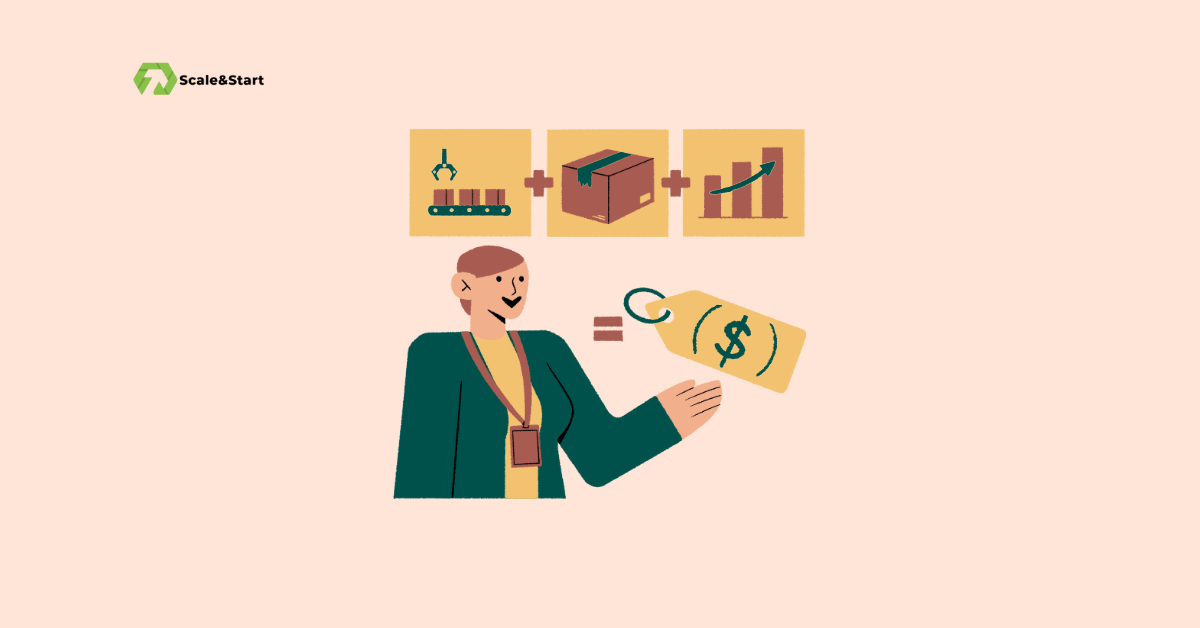
Pricing is one of the most important decisions you will make as a business owner. Many beginners feel unsure about how much to charge and worry about pricing too high or too low.
If your price is too low, you may struggle to make a profit. If your price is too high, customers may not buy. The goal is to find a price that works for both you and your customers.
In this guide, we explain pricing basics in very simple language. You will learn how pricing works, common mistakes to avoid, and practical ways to set prices for your products or services. This article is for educational purposes only.
Why Pricing Matters More Than You Think?
Pricing affects almost every part of your business.
Your price determines:
- How much profit you make
- How customers see your brand
- Whether your business can survive long term
- How easily you can grow
Many small businesses fail not because they lack customers, but because their pricing does not support sustainable income.
Common Pricing Mistakes Small Businesses Make
Before learning how to price correctly, it helps to understand what not to do.
Underpricing Out of Fear
Many beginners charge very low prices because they are afraid customers will not buy. This often leads to burnout and low profits.
Copying Competitors Without Understanding Costs
Just because a competitor charges a certain price does not mean it works for your business.
Ignoring Hidden Costs
Small expenses add up over time. Ignoring them can reduce profits without you noticing.
Changing Prices Randomly
Frequent price changes confuse customers and reduce trust.
Understanding Your Costs First
Before setting any price, you must understand your costs.
Costs are the money you spend to run your business.
Types of Business Costs
Fixed Costs
These costs stay the same each month.
Examples include rent, software subscriptions, internet, and insurance.
Variable Costs
These costs change based on sales or activity.
Examples include materials, packaging, transaction fees, and delivery costs.
Time Cost
Your time also has value. Many business owners forget to include this.
Knowing your total costs helps you avoid pricing below what your business needs to survive.
Simple Formula to Understand Pricing
A simple way to think about pricing is:
Price = Costs + Desired Profit
This is not the only method, but it is a good starting point for beginners.
If your costs are higher than your price, your business will struggle.
Cost Based Pricing Explained Simply
Cost based pricing means you calculate all your costs and add a profit margin.
Example:
- Monthly costs: $1,500
- Expected monthly sales: 50
- Cost per sale: $30
- Desired profit per sale: $20
Final price per product or service: $50
This method ensures you cover costs and earn profit.
Value Based Pricing Explained Simply
Value based pricing focuses on what customers believe your product or service is worth.
Instead of asking how much it costs you, you ask how much value it provides.
For example:
- A service that saves time may be priced higher
- A solution that reduces stress may feel more valuable
Value based pricing works well when your offer solves a clear problem.
Competitive Pricing Explained Simply
Competitive pricing means looking at similar businesses and using their prices as a reference.
This does not mean copying blindly.
Ask yourself:
- What do competitors include
- What is different about my offer
- Am I targeting the same customers
Use competitor prices as guidance, not rules.
Pricing for Product Based Businesses
If you sell products, pricing often includes:
- Cost of goods
- Shipping and packaging
- Platform or marketplace fees
- Storage costs
- Marketing expenses
Product pricing must also consider returns and unsold inventory.
Pricing for Service Based Businesses
Service pricing is often based on:
- Time spent
- Skill level
- Experience
- Market demand
Many service businesses price hourly at first, then move to project or package pricing.
Hourly Pricing vs Fixed Pricing
Hourly Pricing
This means charging for time spent.
Pros:
- Simple to calculate
- Easy for beginners
Cons:
- Limits income
- Can undervalue expertise
Fixed Pricing
This means charging a set price for a service or project.
Pros:
- Predictable income
- Focuses on value
Cons:
- Requires clear scope
Many businesses start hourly and move to fixed pricing later.
How to Test Your Pricing?
You do not need to get pricing perfect on day one.
Ways to test pricing include:
- Starting with a small group of customers
- Offering limited time pricing
- Adjusting prices slowly based on demand
- Asking for feedback
Pricing improves over time as you learn.
How Pricing Affects Brand Perception?
Pricing sends a message.
Lower prices may suggest affordability but sometimes signal low quality.
Higher prices can suggest quality but must match value.
Your pricing should align with how you want customers to see your brand.
When to Increase Your Prices?
Raising prices is normal as businesses grow.
You may consider increasing prices when:
- Demand increases
- Costs rise
- Your experience improves
- Your offer becomes more valuable
Price increases should be communicated clearly and confidently.
How to Communicate Pricing With Confidence?
Confidence matters.
Explain:
- What customers get
- Why your service or product is valuable
- What makes you different
Avoid apologizing for your prices.
Pricing and Profit Margin Explained
Profit margin is the amount you keep after costs.
Healthy margins help you:
- Reinvest in the business
- Handle slow periods
- Reduce financial stress
Thin margins make businesses fragile.
Simple Pricing Tips for Beginners
- Start simple
- Know your costs
- Avoid racing to the bottom
- Review pricing regularly
- Focus on value, not just price
Pricing is a skill that improves with experience.
Common Pricing Questions Beginners Ask
Should I charge less than competitors?
Not always. Focus on value and sustainability.
Can I change prices later?
Yes. Pricing can evolve as your business grows.
What if customers say my price is high?
This often means the value is not clear, not that the price is wrong.
Final Thoughts
Pricing is not about guessing or copying others. It is about understanding your costs, your value, and your customers.
You do not need perfect pricing to start, but you do need thoughtful pricing to grow. Start simple, learn from experience, and adjust as your business evolves.
This approach helps build a healthy, sustainable business over time.
